Choosing Between Braces or Clear Aligners: A Complete Guide
A perfect smile can feel like a secret superpower, but the journey to get there often begins with a tough decision: braces or clear aligners? The right choice can boost confidence, improve oral health, and fit seamlessly into your lifestyle. Let’s explore every angle of this orthodontic crossroads so you can walk into the dentist’s office with clarity.
Understanding the Basics
Before comparing options, it helps to know exactly what each orthodontic system does.
What Are Braces?
Traditional braces consist of brackets bonded to each tooth, connected by a flexible wire. Metal or ceramic brackets apply gentle, continuous pressure, slowly moving teeth into their ideal positions. Modern variations—self‑ligating brackets, lingual braces, and aesthetic ceramic options—offer different levels of visibility and comfort.
What Are Clear Aligners?
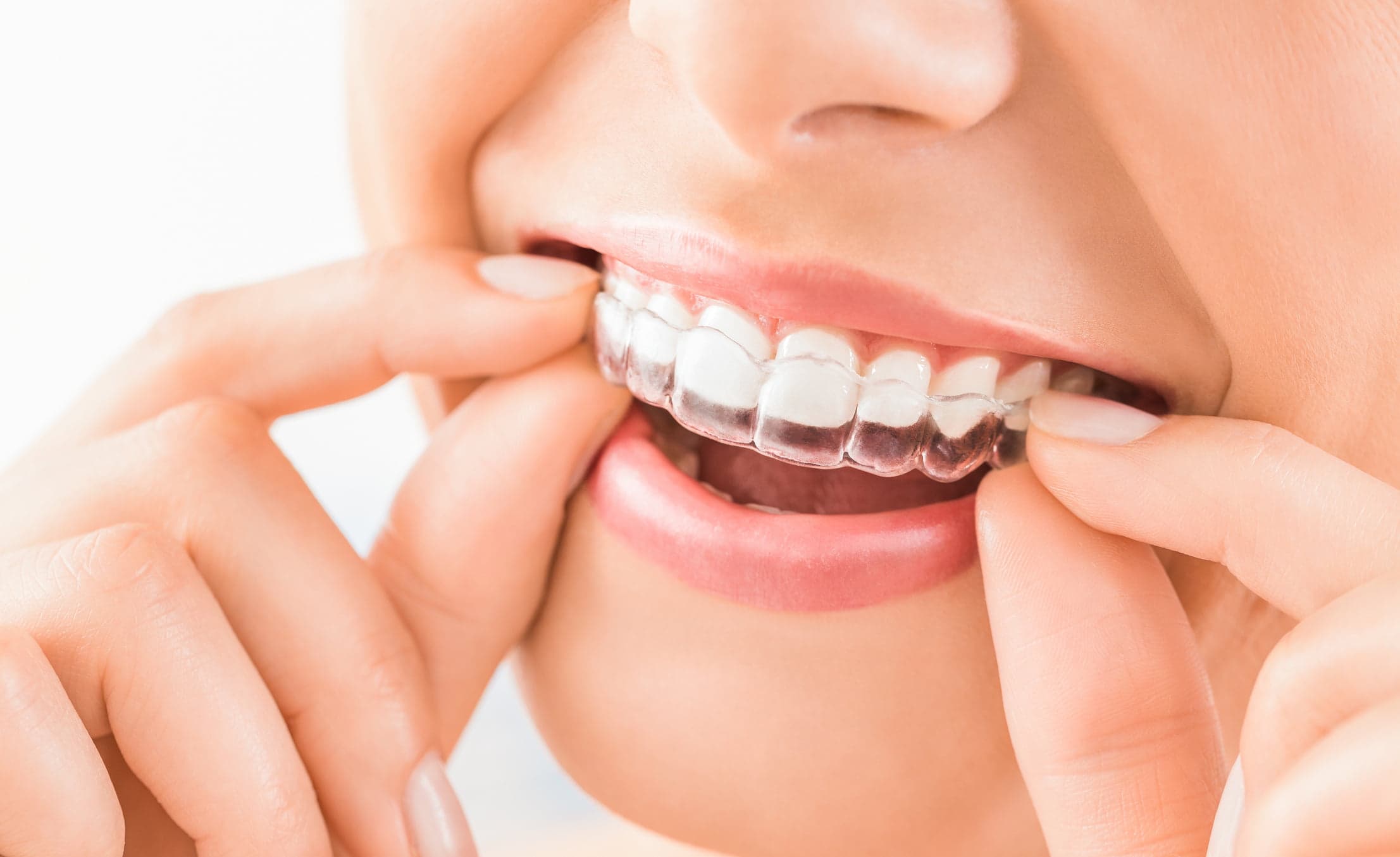
Clear aligners are a series of custom‑made, removable trays that fit snugly over the teeth. Each tray shifts teeth slightly before you move to the next one. Brands like Invisalign, SmileDirectClub, and Candid use advanced 3‑D imaging to plan the full treatment digitally, delivering virtually invisible progress.
Braces or Clear Aligners: Pros and Cons
Choosing braces or clear aligners isn’t just a matter of looks; it’s about how each system aligns with your personal needs.
Aesthetic Considerations
Braces: Metal brackets are noticeable, though ceramic versions blend better with natural tooth color.
Clear Aligners: Virtually invisible; most people forget you’re wearing them.
Comfort and Irritation
Braces: Brackets and wires can cause soft‑tissue irritation, especially after adjustments.
Clear Aligners: Smooth plastic reduces cheek and gum soreness, but each new tray may feel tight initially.
Treatment Time
Braces: Typically 18‑24 months for moderate cases; complex movements may extend beyond 30 months.
Clear Aligners: Average 12‑18 months, but severe crowding or bite issues can require longer or supplemental devices.
Cost Overview
| Treatment | Average Cost (USD) | Insurance Coverage |
|---|---|---|
| Braces (metal) | $3,500–$5,000 | 50%–80% of fees |
| Braces (ceramic) | $4,000–$6,500 | Similar to metal |
| Clear Aligners | $4,000–$7,500 | 30%–70% of fees, varies by plan |
Note: Prices fluctuate by region and practitioner expertise.
Maintenance Routine
Braces: Requires meticulous brushing around brackets, floss threaders, and regular check‑ups.
Clear Aligners: Remove trays to eat and brush; simply clean trays with a soft brush or cleaning crystals.
Lifestyle Impact
Braces: Limitations on certain foods (popcorn, nuts, sticky candy).
Clear Aligners: Must be worn 20–22 hours daily; removal for meals and special occasions is hassle‑free.
Who Is the Ideal Candidate?
Not every smile problem fits neatly into either category. Understanding candidacy helps you answer the central question: braces or clear aligners?
Age Matters
Teenagers: Both options work well; teens often appreciate the discreet nature of aligners.
Adults: Many adults choose clear aligners for professional discretion, though braces remain a solid choice for complex cases.
Specific Dental Conditions
| Condition | Best Answer |
|---|---|
| Simple crowding (<5 mm) | Clear Aligners |
| Moderate to severe crowding | Braces |
| Large gaps or diastemas | Both, but braces offer precise control |
| Bite corrections (overbite, underbite) | Braces often superior |
| Rotated teeth | Aligners work if rotation <15°, otherwise braces |
Commitment Level
Braces: You’re locked into treatment; compliance isn’t an issue.
Clear Aligners: Success hinges on disciplined wear time—missing more than 2 days a week can stall progress.
Professional Consultation: What to Expect
When you schedule a visit, the orthodontist will:
Conduct a comprehensive exam and take digital scans or impressions.
Discuss your aesthetic goals, budget, and lifestyle.
Simulate treatment outcomes for both braces and clear aligners.
Recommend the option that best matches your dental anatomy and preferences.
Don’t hesitate to ask for a side‑by‑side visual of the projected results for braces or clear aligners. Seeing the future smile can tip the scales.
Insurance, Financing, and Long‑Term Value
Understanding payment structures is crucial to avoid surprises.
Dental Insurance: Many plans categorize orthodontics under a separate annual maximum. Verify whether they treat aligners differently from traditional braces.
Flexible Spending Accounts (FSAs) and Health Savings Accounts (HSAs): Both can cover out‑of‑pocket expenses for braces or clear aligners.
Payment Plans: Most orthodontic offices offer interest‑free monthly plans; some aligner companies provide financing through third‑party lenders.
While the upfront cost of clear aligners can appear higher, the reduced need for emergency visits and fewer office appointments may offset total expenses over time.
Real‑World Experiences: Patient Stories
Emma, 22 – The Professional Edge
“I needed a discreet solution for a busy corporate job. Braces or clear aligners was my main dilemma, and I chose aligners. The removability let me eat confidently at client lunches, and the invisible trays kept my confidence intact throughout the 14‑month journey.”
Carlos, 16 – Tackling a Complex Bite
“My overbite required a lot of movement. My orthodontist told me braces or clear aligners could both work, but braces offered the precise control I needed. After 26 months, my bite is corrected, and I don’t miss a single sport practice because the brackets stay put.”
These anecdotes illustrate that the right answer often hinges on personal priorities and the specifics of the dental case.
Decision‑Making Checklist
Use this quick list to evaluate whether braces or clear aligners suit you best.
Aesthetic Preference
Do you need near‑invisibility? → Aligners
Acceptable to have visible hardware? → Braces
Complexity of Tooth Movement
Minor adjustments only? → Aligners
Major bite correction? → Braces
Lifestyle & Discipline
Comfortable removing trays for meals? → Aligners
Prefer a set‑and‑forget system? → Braces
Budget Constraints
Higher upfront cost acceptable for convenience? → Aligners
Looking for the most cost‑effective route? → Braces
Age & Growth Considerations
Still growing (adolescent)? Both are viable.
Fully grown adult with specific expectations? Evaluate both.
Professional Recommendation
After a thorough exam, does your orthodontist favor one? → Follow expert guidance.
If you tick more boxes for one side, you’ve likely found your answer.
Future Trends: What’s Next for Orthodontics?
The industry continuously evolves, blurring the lines between braces or clear aligners.
Smart Brackets: Tiny sensors embedded in brackets transmit real‑time force data to the orthodontist’s office.
Accelerated Aligners: Incorporating micro‑vibration technology promises faster movement, potentially cutting treatment time by 20‑30%.
Hybrid Solutions: Some practices start with clear aligners and switch to braces for final refinement, offering the best of both worlds.
Staying informed about these innovations ensures you can revisit the braces or clear aligners conversation as new options emerge.
The decision between braces and clear aligners is deeply personal, balancing aesthetics, comfort, cost, and clinical necessity. By understanding the mechanics, weighing pros and cons, and consulting with a trusted orthodontist, you can confidently answer the core question and embark on a smile transformation that feels right for you.
Travis Starks
Expert contributor at The Smile Portal Orthodontics, providing valuable insights on dental health, orthodontic treatments, and achieving your perfect smile.